From Shoot to Listing: A Real Estate Content Package Case Study

Created with the support of AI technologies.
A listing content package produces a home’s visuals end to end in one visit: a professional on-site shoot, true-to-life correction, a short cinematic promo video and a vertical version for social media. The aim is not to make a property look different from what it is, but to show accurately what it really is.
The first decision a buyer makes on a property listing has nothing to do with the property. It is about the cover photo. Among dozens of listings side by side on a portal, the buyer decides within a few seconds whether to open one. That is why a listing image is not an aesthetic choice; it is the threshold that decides whether the listing gets seen at all.
In this case the property was already live, but its images were phone shots taken in uneven light. The property looked duller than it really was.
How did we work?
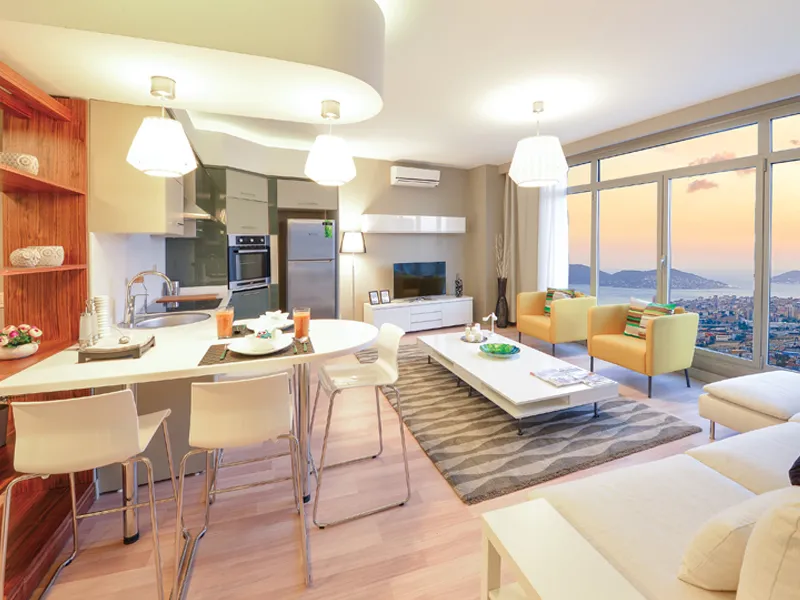
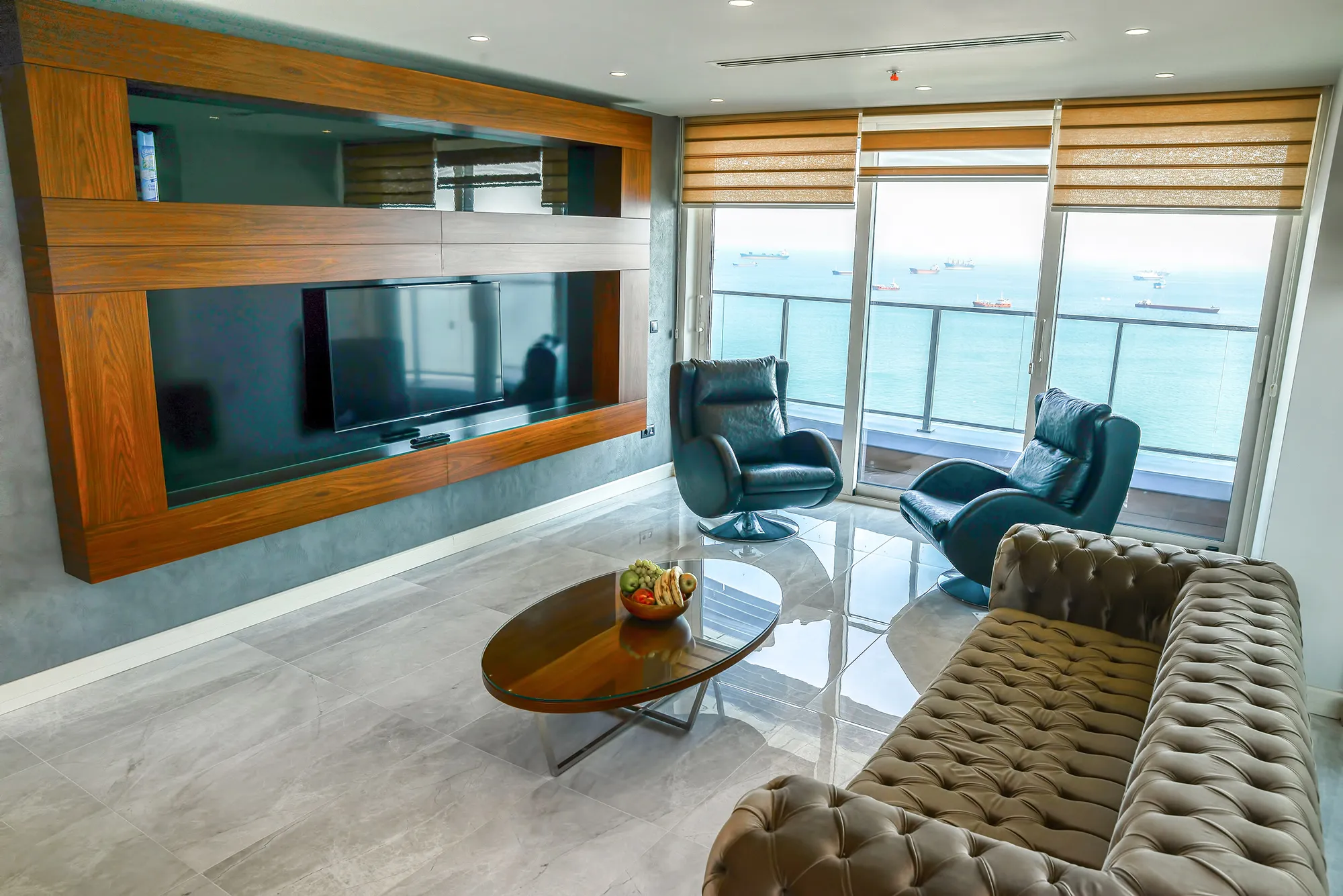
1. The room order followed the listing order. A shoot doesn’t start at random. First we decide which space will be the listing’s cover frame, usually the living room or the property’s strongest feature, and we shoot it at the hour of the day when its light is best. The other rooms are arranged around that hour.
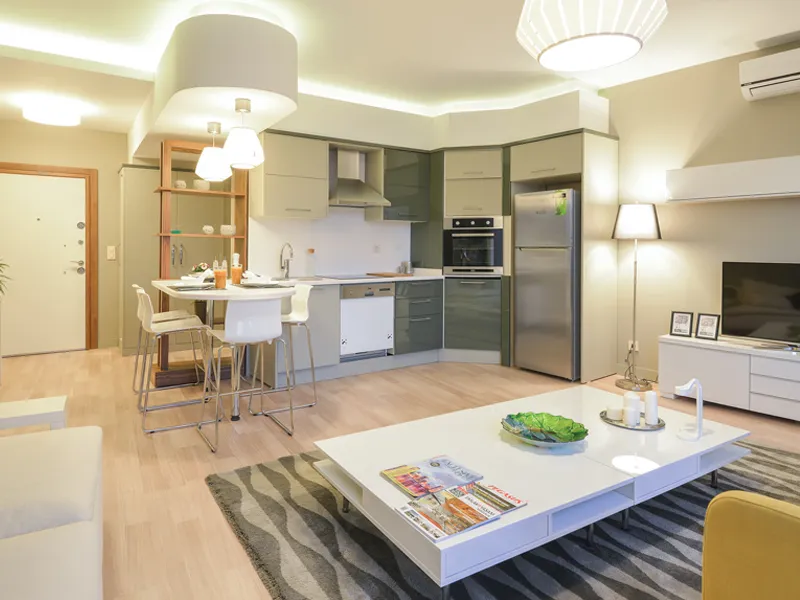
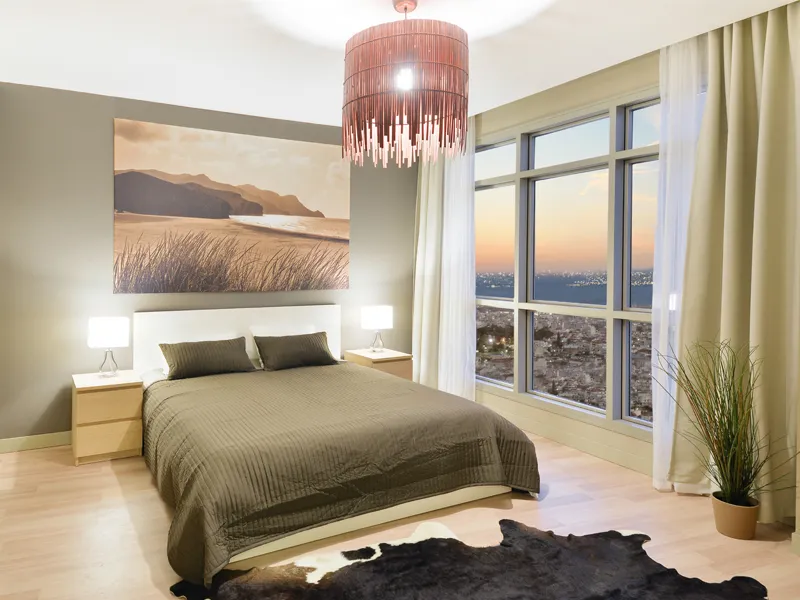
2. The lighting was built from the space’s own light. The most common mistake indoors is switching on the ceiling lamp and ignoring the window; the result is a dirty, mixed yellow-and-blue color cast. We treat natural light as the main source, use artificial light only to fill shadows, and match the color temperature of the bulbs.
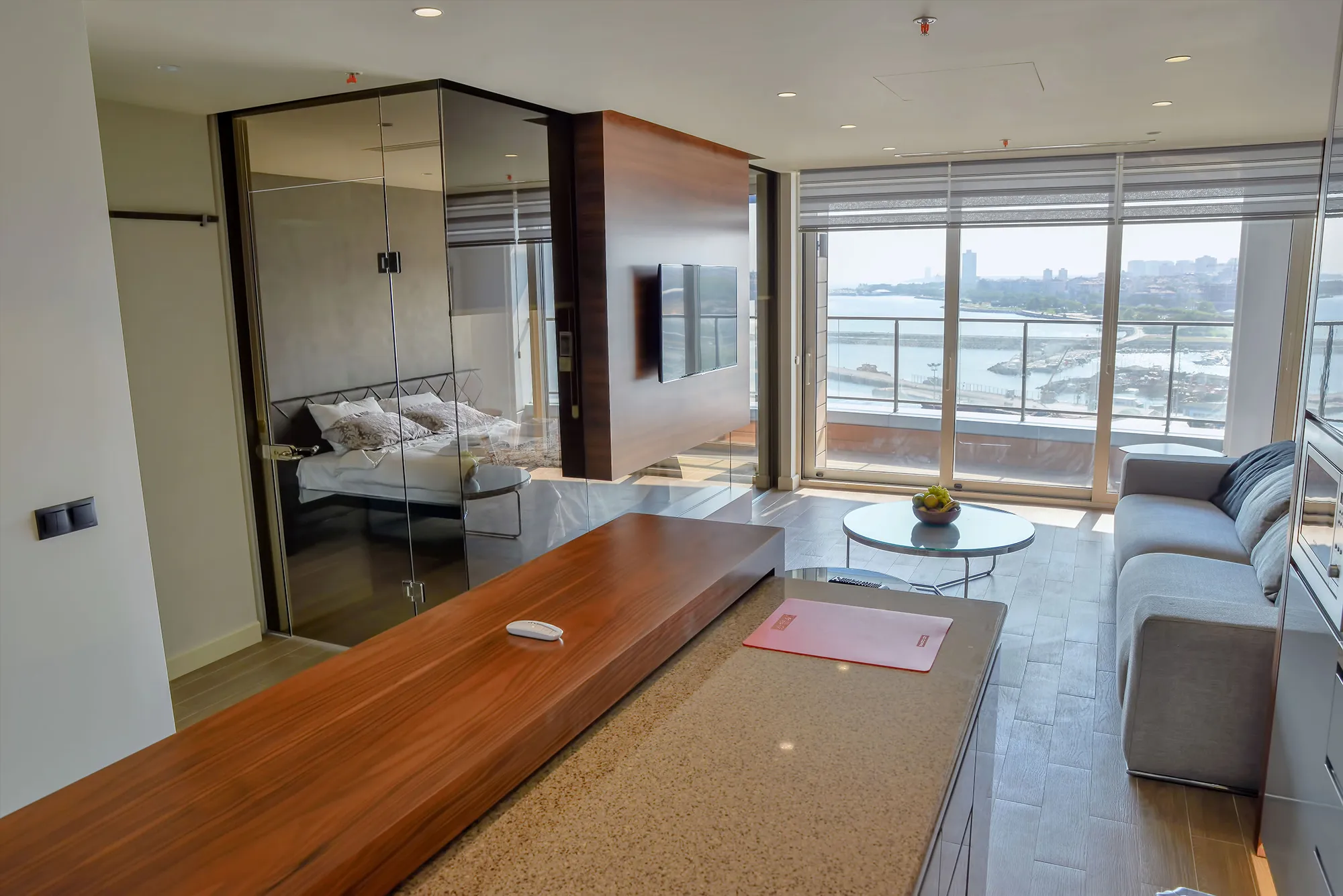
3. Perspective was corrected, scale was kept. Vertical lines are straightened. But we avoid the “room looks bigger than it is” effect that a wide-angle lens produces easily. It is an impression that is lost the moment the buyer walks through the door, and it backfires in the first moments of the viewing.
4. The video and the vertical version were produced in the same visit. A short cinematic promo and a vertical version for social media come from the same setup as the photos. So the listing page and the social post show the same space in the same character.
What did we pay attention to?
The line between correcting and misleading. Correcting light, color and sharpness is standard industry practice, and it is legitimate. The line is where you start showing the property as different from reality: hiding a structural flaw, making a space look wider than it is, or adding a feature that isn’t there. In this case the property was shown as it is; the work was to make visible what the bad shoot had hidden.
Privacy is handled during the shoot itself. Family photos, paperwork, medicine boxes, the neighbor’s balcony: if these are kept out of the frame, they never need to be cleaned up afterward. Location data in the shoot files is also stripped before publication; GPS information embedded in a photo can give away an address you didn’t put in the listing text.
Social media sharing falls under a separate rule. Sharing real estate content on social media is subject to the rules of EİDS (Türkiye’s Electronic Listing Verification System), so the vertical version is built to point to the verified listing link. The current rules: EİDS-compliant social media sharing.
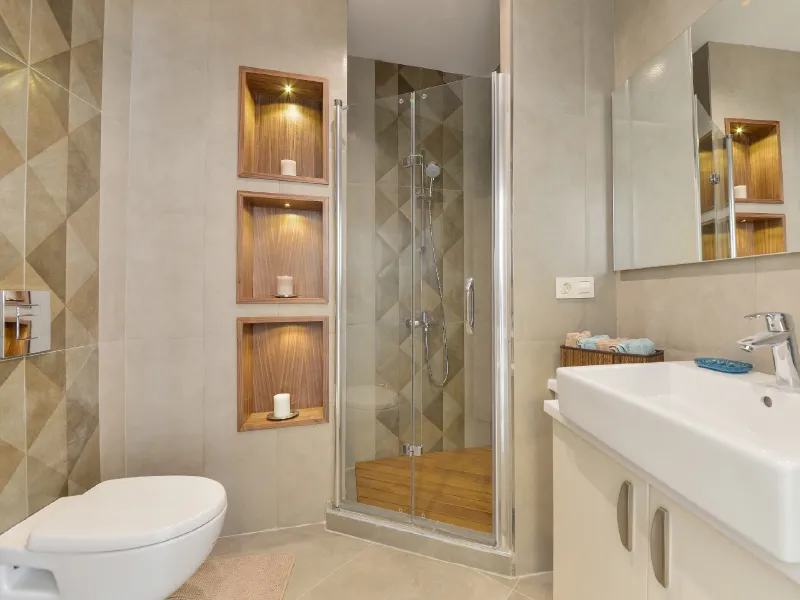
Gallery order is the second decision, after frame quality. When good frames are arranged in the wrong order, the listing still comes across as weak. The order follows the way a buyer walks through a home: from outside to inside, from general to specific, wet areas last.
Frequently Asked Questions
What should I prepare at home before the shoot?
The preparation that makes the most difference is clearing surfaces: countertops, side tables, bathroom shelves. Personal belongings, fridge magnets and family photos are removed, both for privacy and so that the buyer can picture themselves in the space. Opening the curtains and using bulbs of the same color temperature also make the job easier.
Are photos and video produced in the same shoot?
Yes, both are produced in a single visit. A separate visit disturbs the owner a second time, and because the light conditions change, the photos and the video end up not matching. When both come from the same setup, the listing page and the promo video show the same space in the same character.
Can you shoot in a lived-in home?
Yes, and most listings are like that. An empty apartment shows spaciousness but has no scale; a furnished home gives scale but doesn’t forgive clutter. In a lived-in home, most of the work is done before the shoot: simplifying surfaces, moving excess furniture out of frame and putting personal items away.
Does it make sense to change the images while a listing is live?
Yes, if the listing has been live for a long time and isn’t getting clicks. New images won’t bring the listing back to the top, but they change the decision a visitor makes in the first second. Replacing the cover frame is the quickest-acting fix; correcting the gallery order comes second.
Let’s get your listing ready in a single visit.
On-site shoot, sale-ready photos and a promo video in one package. Real estate content production · Get a Quote
The rules side: EİDS-compliant social media sharing · Drones and privacy
Before/after examples: Before/after in real estate photography
The frames in this article come from our real shoot archive; in keeping with client confidentiality, no property or office information is given. More: work.