Preparing a High-Volume Collection for the Marketplace
Created with the support of AI technologies.
Last reviewed:
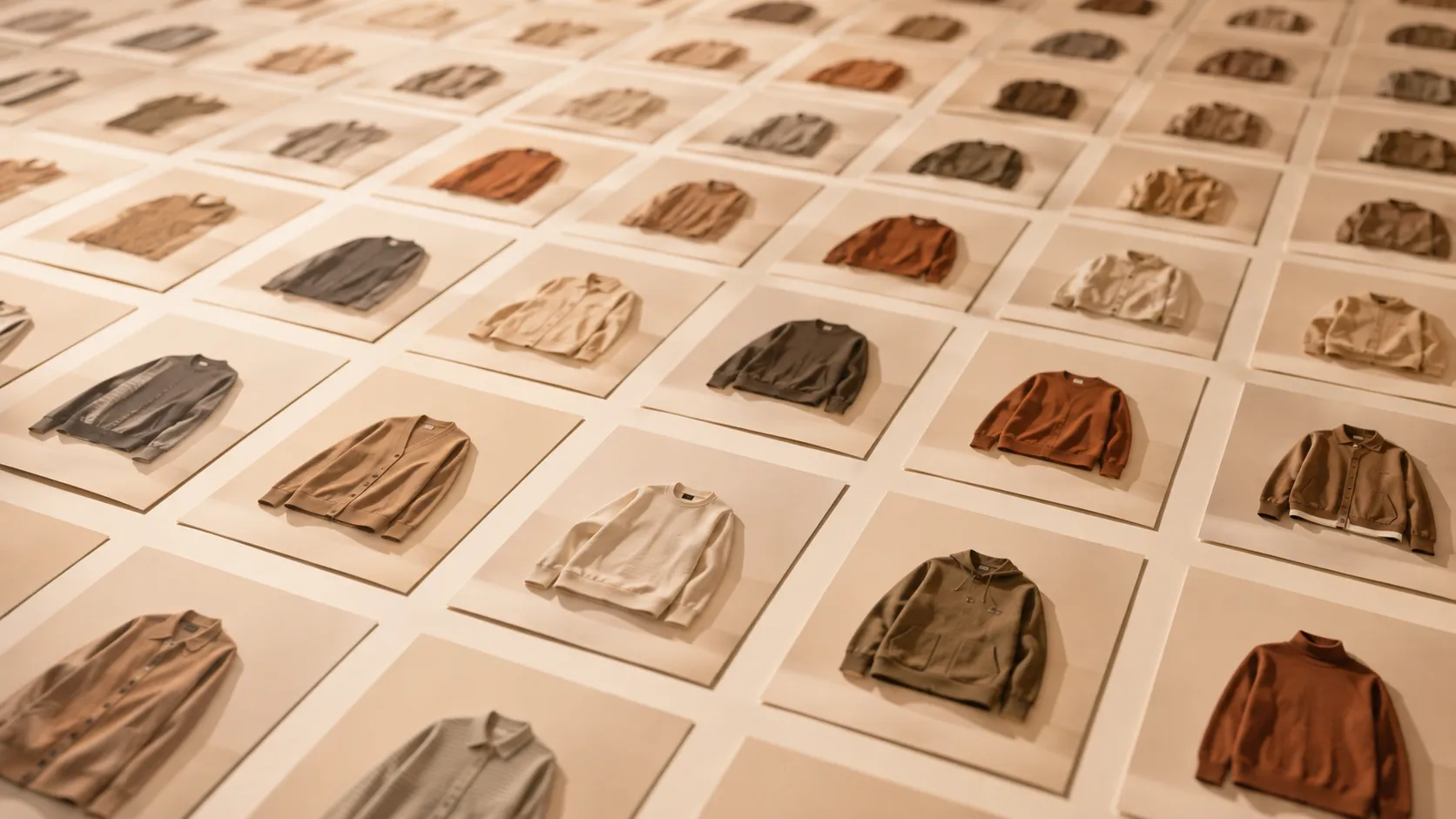
When you prepare a high-volume textile collection for a marketplace, the real job isn’t shooting photos one by one; it’s building a workflow that gets hundreds of products to come out in the same visual language. In this case we set up a standardized shoot routine, produced the variants through it, and met the platform’s rules at the shoot stage.
With a small number of products, image production is a craft: every frame is looked at and fixed one by one. Once the product count reaches a few hundred, that approach stops working. Give every frame the same effort and the schedule stretches; don’t, and the collection looks scattered.
The problem to solve at high volume is this: quality must be defined at the system level, not per product.
What was the problem?
The collection was ready and the products were in the warehouse, but the images had come from three different sources. Some were from the supplier’s catalog, some from the previous season’s shoots, some were reference frames shot on a phone.
The result was a set that looked acceptable frame by frame but scattered side by side: different whites within the same product group, different product scales, different cropping habits. Some of the images also failed the marketplace’s main image rules.
How did we work?
1. Standard first, then the shoot. Before a single frame was shot, a reference frame was produced for each product group: background white, the product’s proportion in the frame, crop margin, shadow behavior. That reference became the measure that didn’t change throughout the shoot. Nobody said “let’s do this group a little differently” later on, because every exception undermines consistency itself.
2. Setup by setup. The shoot order was built by setup, not by product code. Products sharing the same lighting and background arrangement were shot in a single block. Setting up the lights takes longer than shooting, so ordering the shoot around setups directly cuts the total time.
3. Handling variants separately. The full set wasn’t repeated for the color variants of the same style. The base style was shot completely, and the variants were completed at the same angle and lighting. This isn’t skipping the variant image; it’s reducing the number of repeated angles.
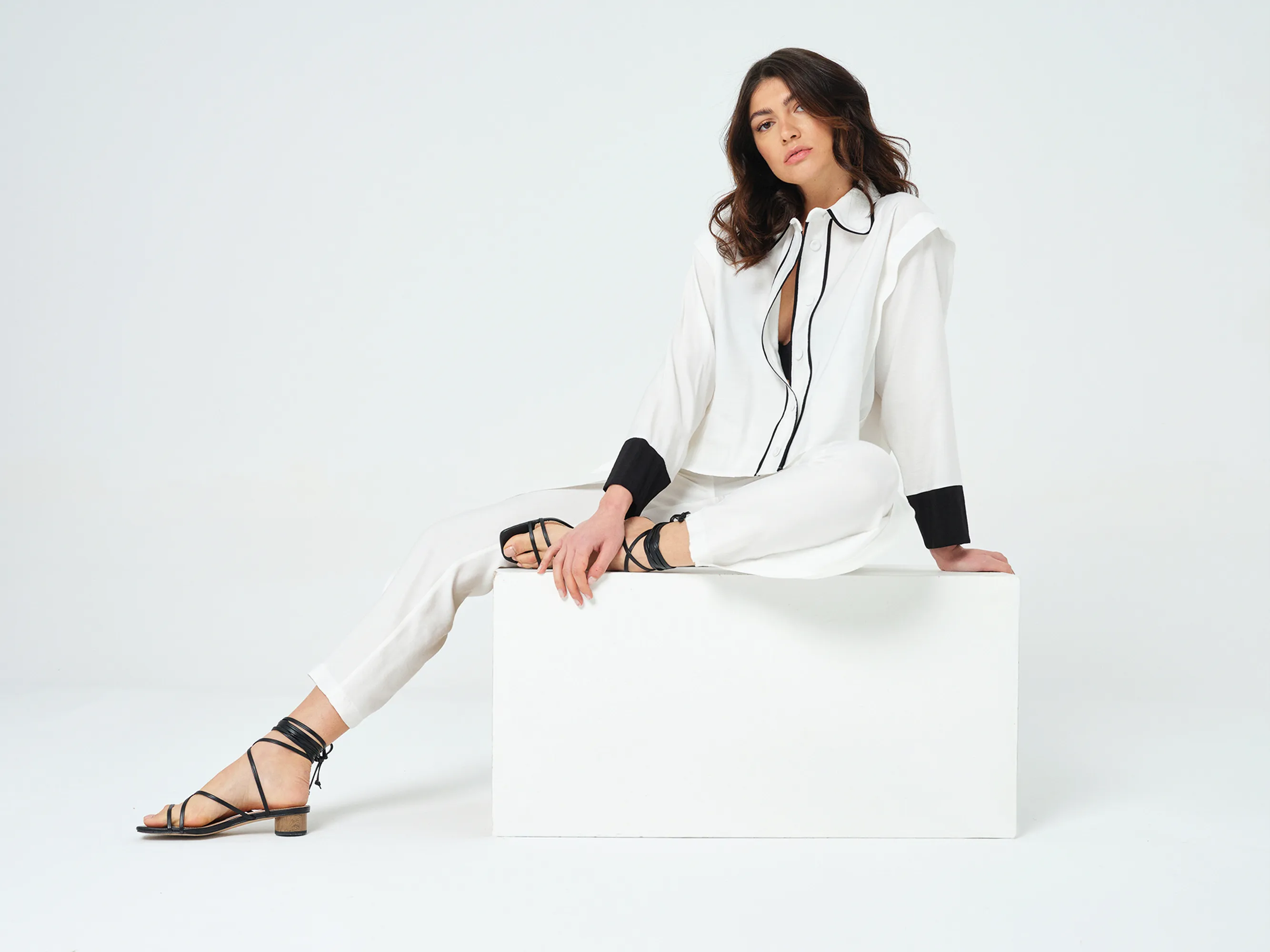
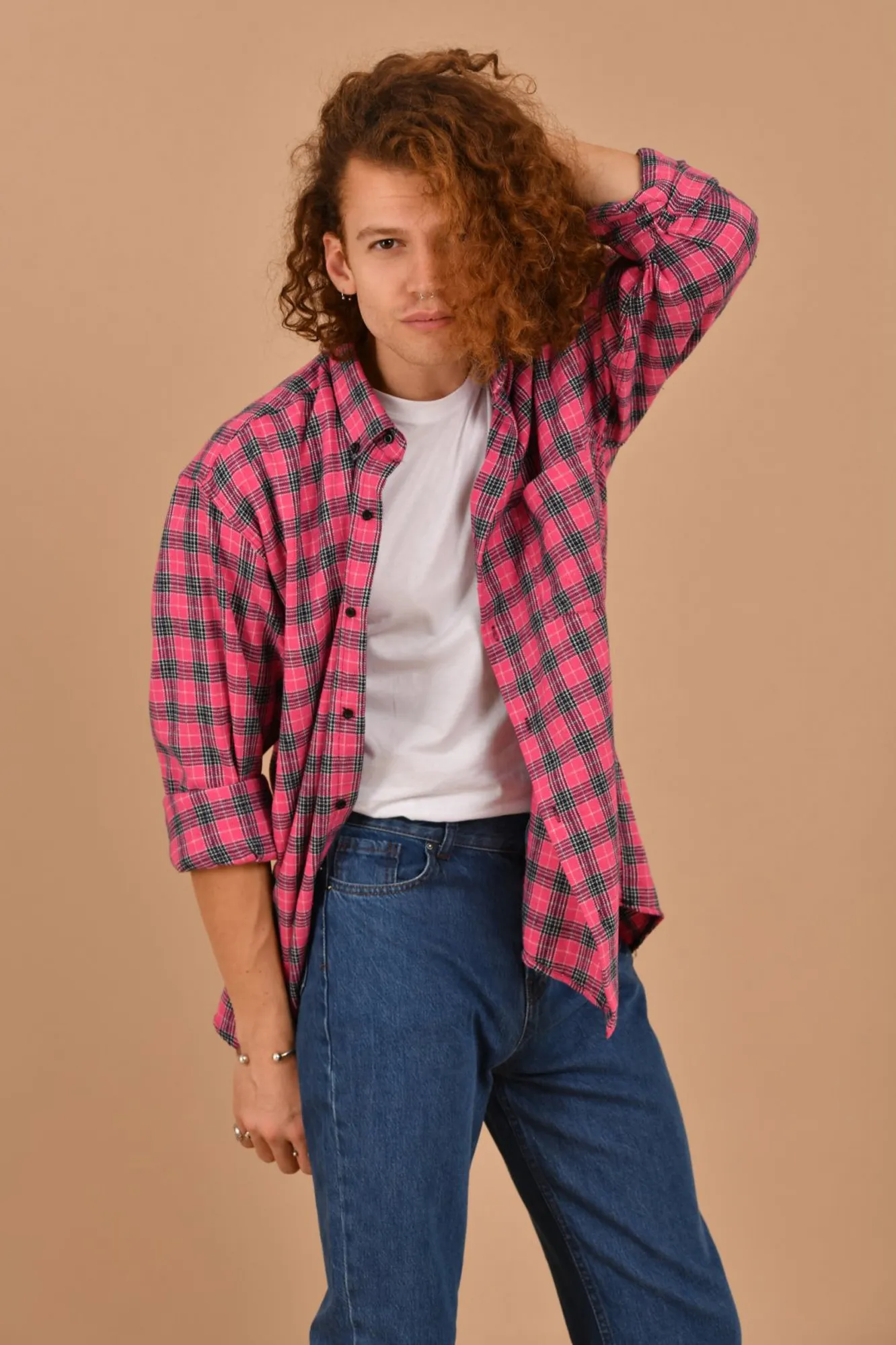
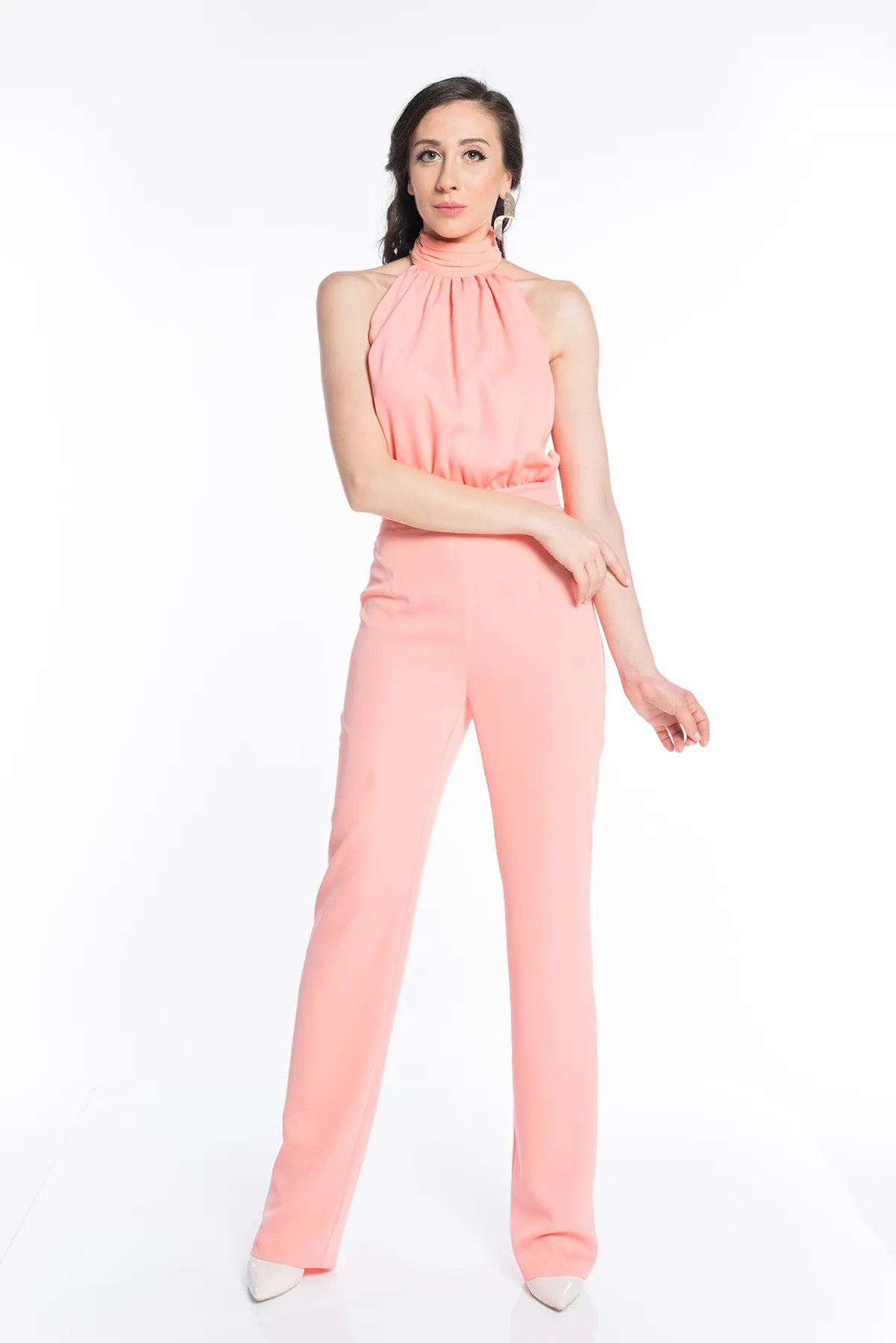
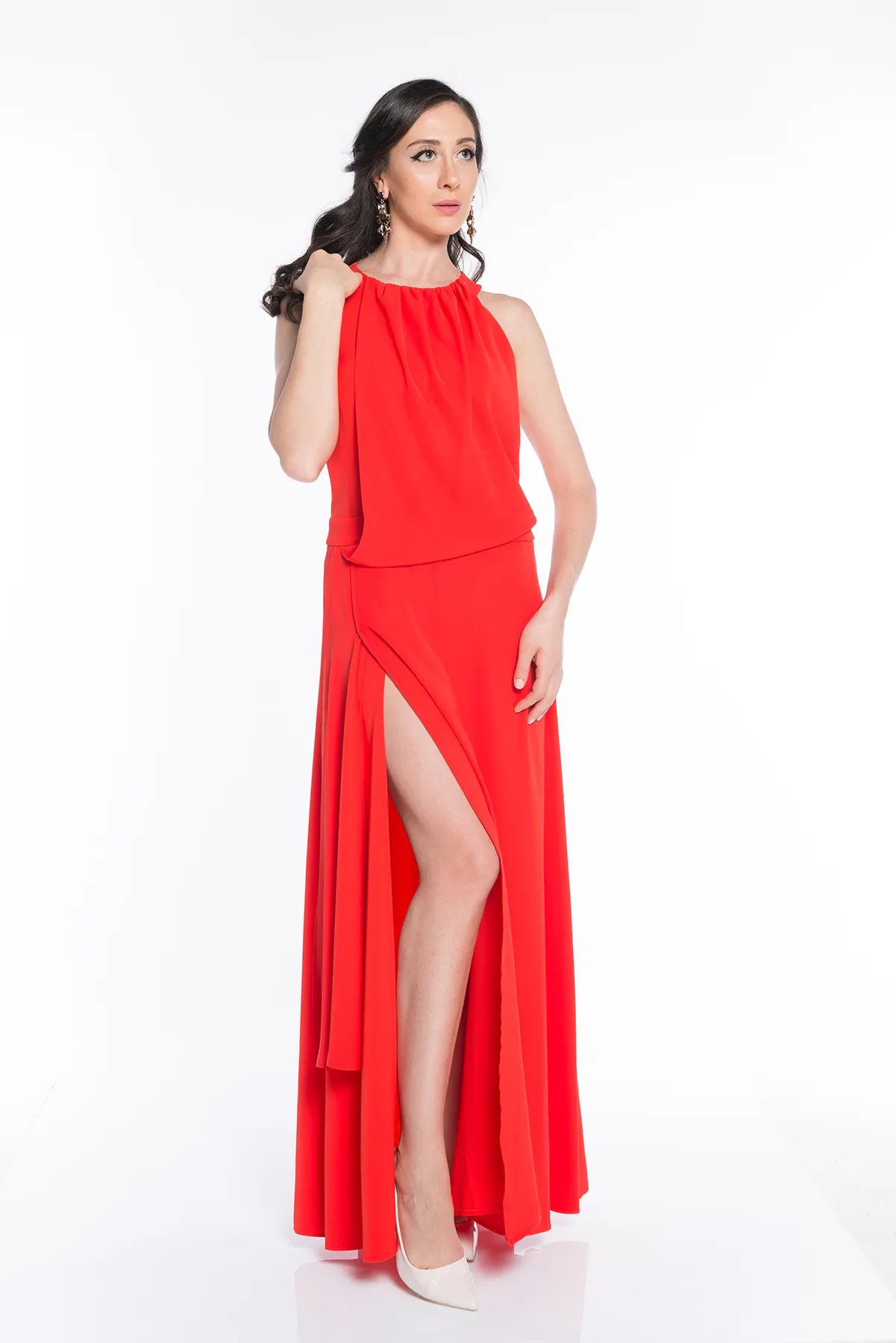
4. Building rule compliance into the shoot. Trendyol’s main image rules (the product fills most of the frame; no unrelated logo or campaign text on the image; sources in our Trendyol image guide) and the background standard weren’t left to the editing stage; they were made part of the shoot setup. The background was white in this project, but pure white isn’t Trendyol’s requirement: the platform prefers a plain white or light-colored background. A frame fixed afterwards always comes out weaker than one shot right the first time.
What did we pay attention to?
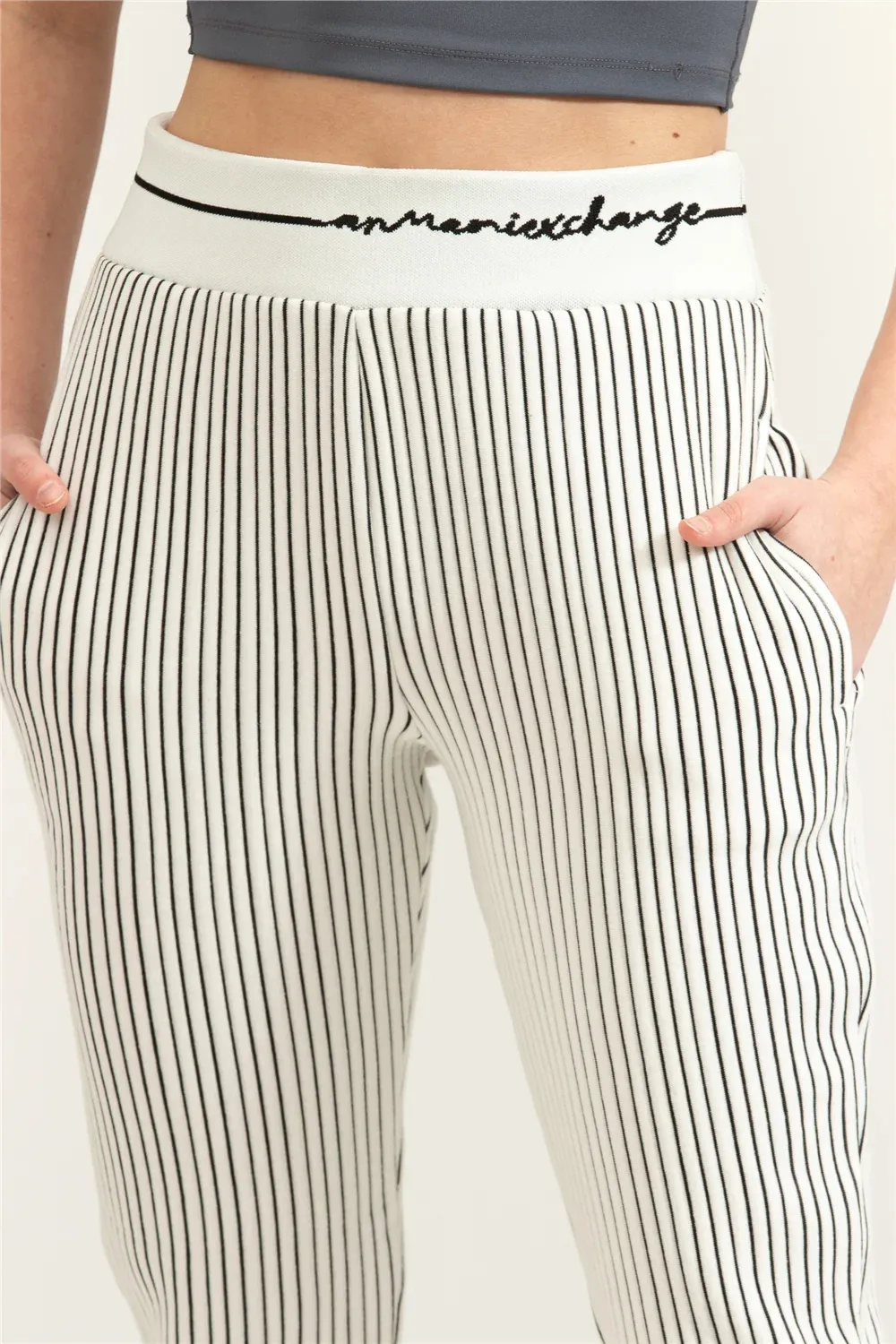
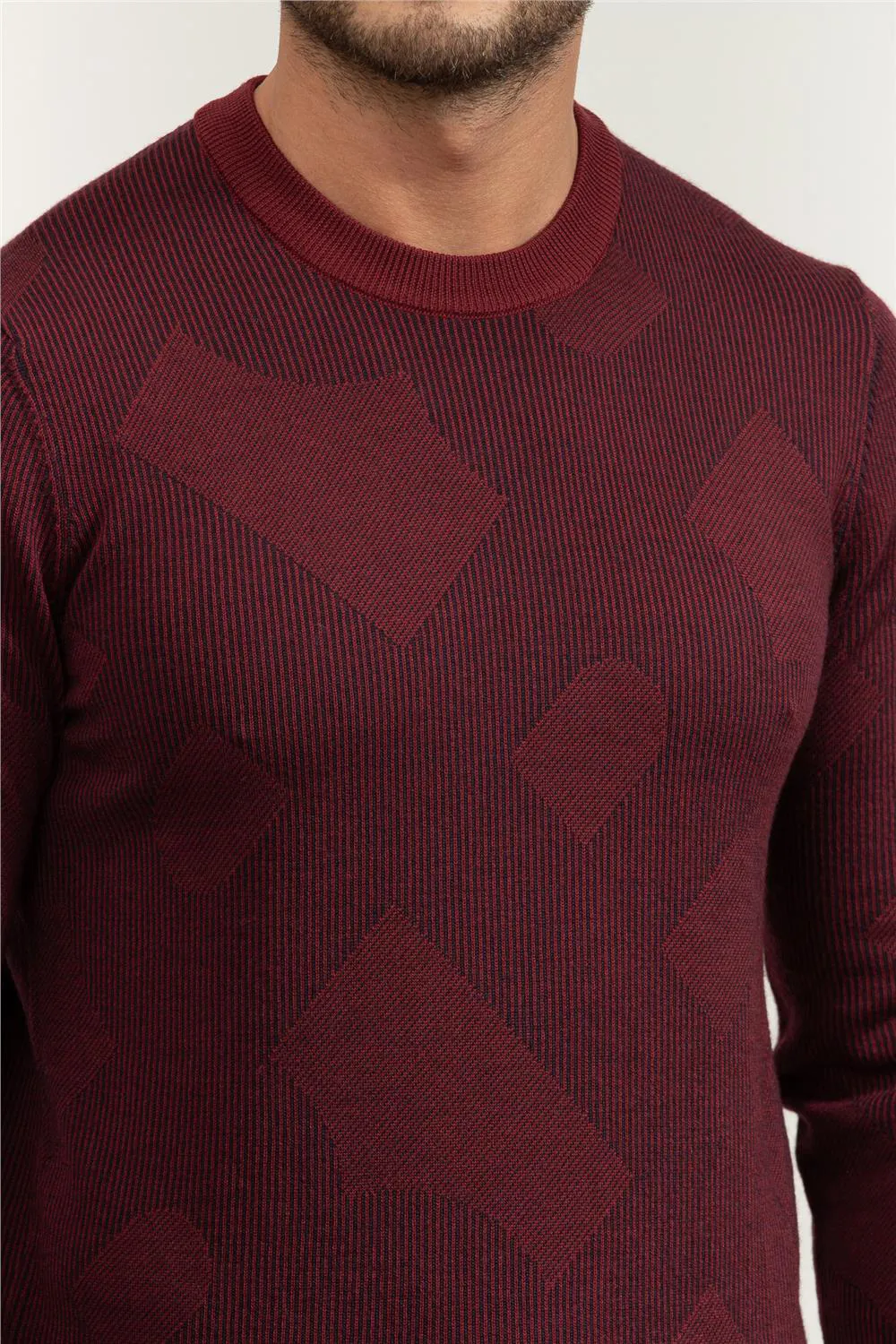
A detail shot reduces the angle count. In textiles, what the customer is really curious about is the fabric’s texture and the quality of the stitching. A good detail shot answers more questions than three extra general angles. When deciding which frame to drop under volume pressure, our measure was this: does the frame answer a question, or does it only raise the count?
White is not a single color. “Background white” frames shot on different days under different light don’t match when placed side by side. If the background white isn’t fixed by measurement, the collection looks dirty on the storefront — even though no single frame has a problem on its own.
AI fills the gaps in production; it doesn’t replace it. AI-assisted production was used for the lifestyle variations; the main images showing the product itself, however, are real photography. The frame in which the customer makes the purchase decision has to show how the product really looks.
File organization matters as much as the shoot. Producing the images of hundreds of products is half the job; matching the right image to the right product is the other half. If the naming rule isn’t set at the start, you lose more time than the shoot saved.
Frequently Asked Questions
How is the shoot order set up for a high-volume collection?
Not product by product but setup by setup. All products that share the same lighting and background setup are shot in a single block, then we move to the next setup. Because changing a setup takes longer than shooting, the setup, not the product code, sets the order.
Is every color variant shot separately?
If the fabric and cut are the same, the full set isn’t reshot for every variant; the base style is shot once and the variants are completed at the same angle and lighting. But because color is the first thing a customer sees on a marketplace, the variant image isn’t skipped — only the repeated angles are.
Can publishing start before the whole collection is finished?
Yes, and that is usually the right approach. When delivery is category by category, the first group goes live and starts generating data. The only condition is that the image standard is final before the first group: if the standard changes later, the products already live have to be reshot.
Why does consistency come before the quality of individual images?
Because the customer sees products as a list, not one by one. If one of them has a different scale or a different white, the eye catches on it and the storefront reads as messy. Images that are excellent alone but don’t resemble each other make a worse storefront than average images that do.
Let’s get your collection ready to publish in one go.
When the product count is high, we build the workflow first, then shoot. Marketplace image production · Get a Quote
Platform rules: Trendyol image rules · Amazon image requirements
When the image count grows, the system you need: Brand Visual System
The frames in this article come from our real shoot archive; in keeping with client confidentiality, brand names are not given. More: work.