AI Lifestyle Campaign Set for a Distributor

Created with the support of AI technologies.
For a multi-brand distributor portfolio, shooting separate models and locations for every brand is unsustainable in both calendar and budget. In this case we generated AI-assisted lifestyle scenes from the existing product images, kept each brand’s own aesthetic while sharing one technical framework, and labeled the images in line with disclosure obligations.
A distributor’s job is to make the brands it represents visible in the local market. But what it is responsible for and what it can produce rarely line up: the portfolio holds dozens of brands, each with its own visual language, and none of their head offices sends separate content for a local campaign.
The classic solution, a separate model and location shoot for each brand, doesn’t add up. One shoot day covers a few products of one brand; covering the whole portfolio would take more days than the season lasts.
What was the problem?
The distributor wanted lifestyle content for the brands it represents, to be used on marketplaces and social media. What it had was the product images the brands had sent: mostly on white backgrounds, technically correct but context-free frames.
A white-background frame shows the product, but it doesn’t show where and how the product is used. That is enough on a marketplace storefront; it isn’t enough on social media and in campaign placements.
How did we work?
1. The permission and rules framework was settled first. Before production began, we established in writing which brands local imagery could be produced for, which rules applied, and which assets couldn’t be altered. Skip this step, and the risk of ending up with an unusable image outweighs the cost of producing it.
2. The product image was fixed as the input. Scene generation isn’t redrawing the product. The existing product image is the reference; the product’s form, color and detail are preserved. If the product image is low quality, that gets fixed first, because the output can’t be better than the input.
3. A shared technical framework, separate brand aesthetics. Each brand’s own character was kept; what was shared wasn’t aesthetics but technical parameters: frame ratios, the product’s scale in the scene, light direction, background depth. The distinction matters: the goal wasn’t to make brands look alike, but to keep them from looking scattered on the same storefront.
4. Output was built per channel. The same scene was composed separately for the marketplace square format and the social media vertical format. Instead of cropping one frame into several, each channel’s framing was planned while the scene was being built.
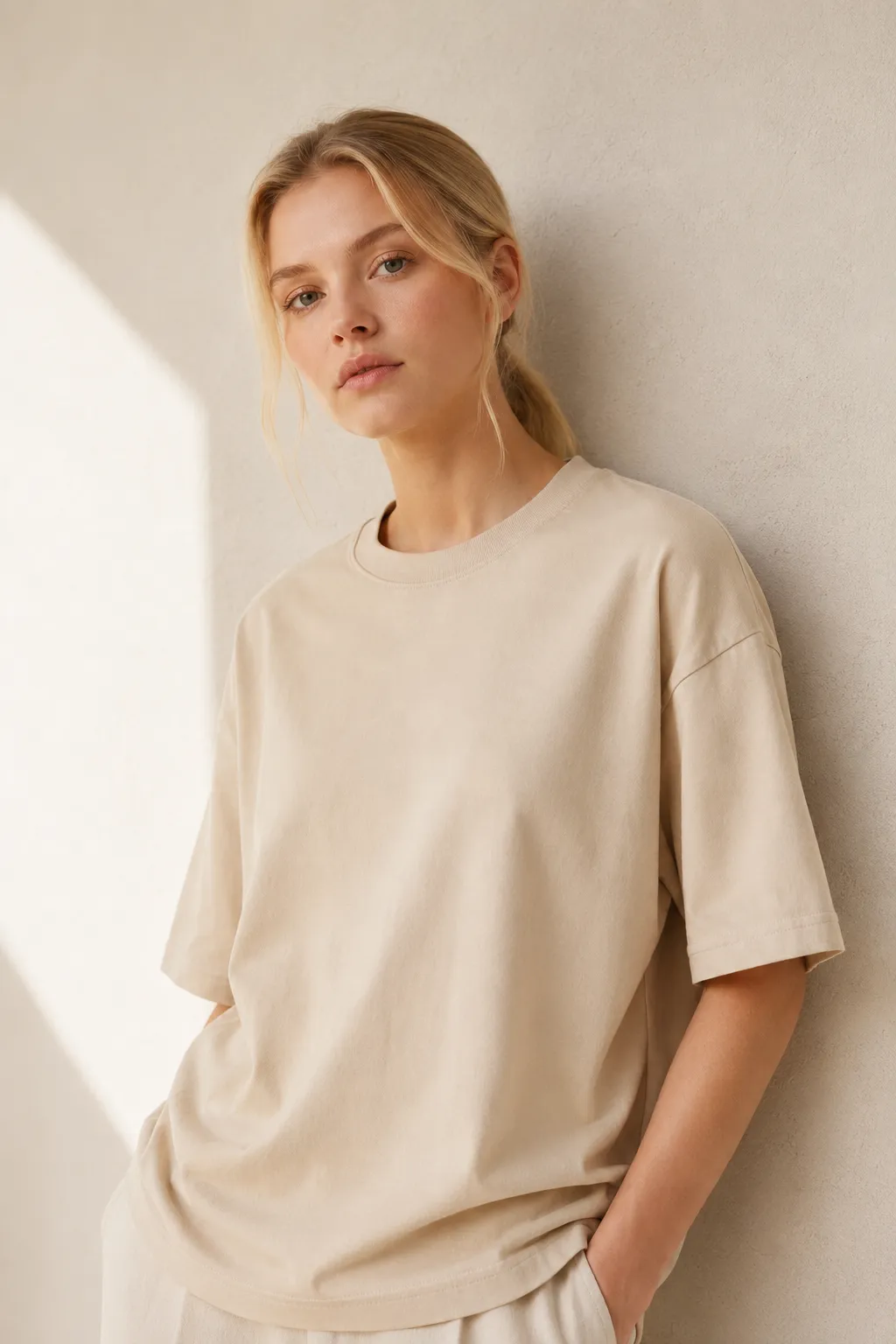
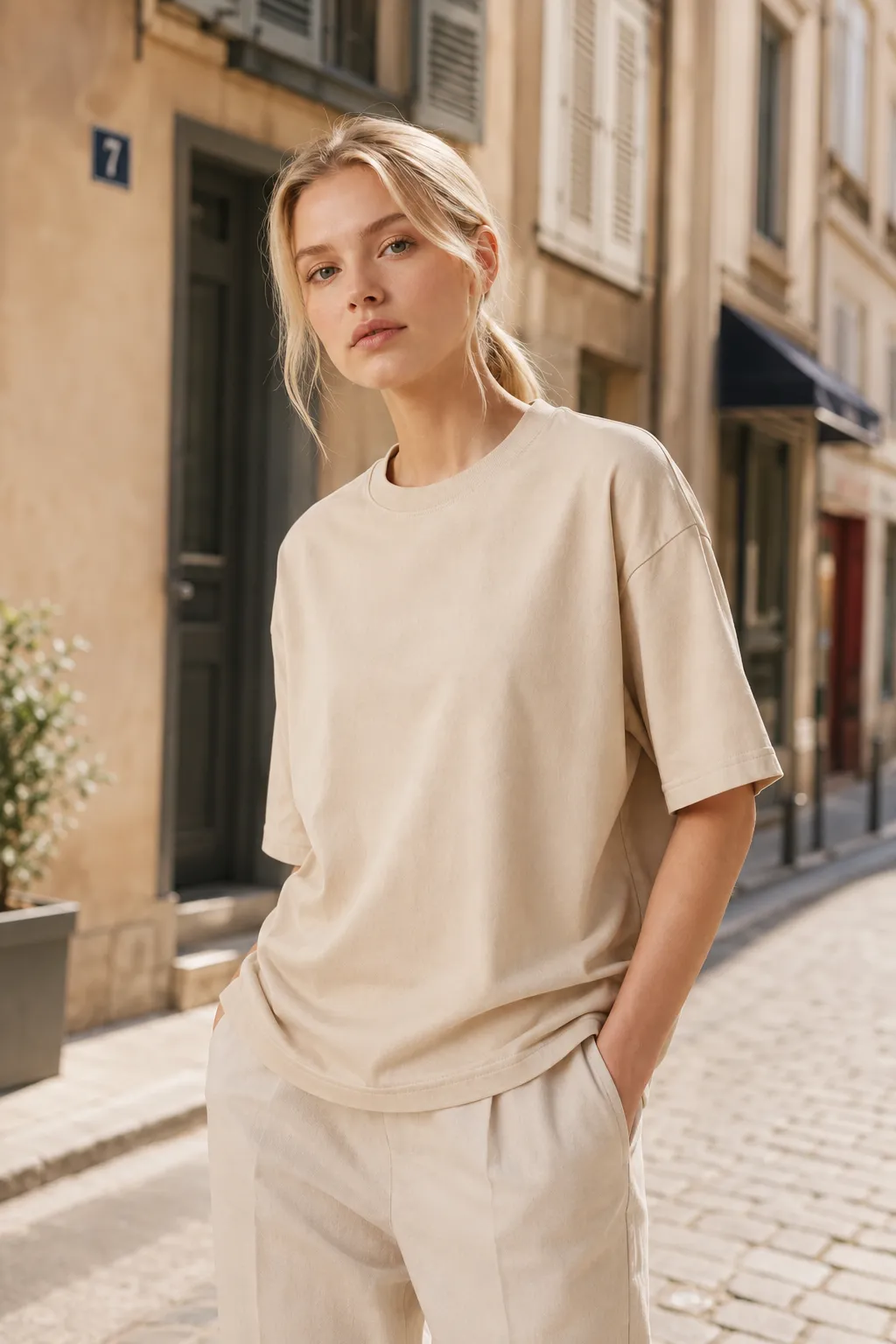
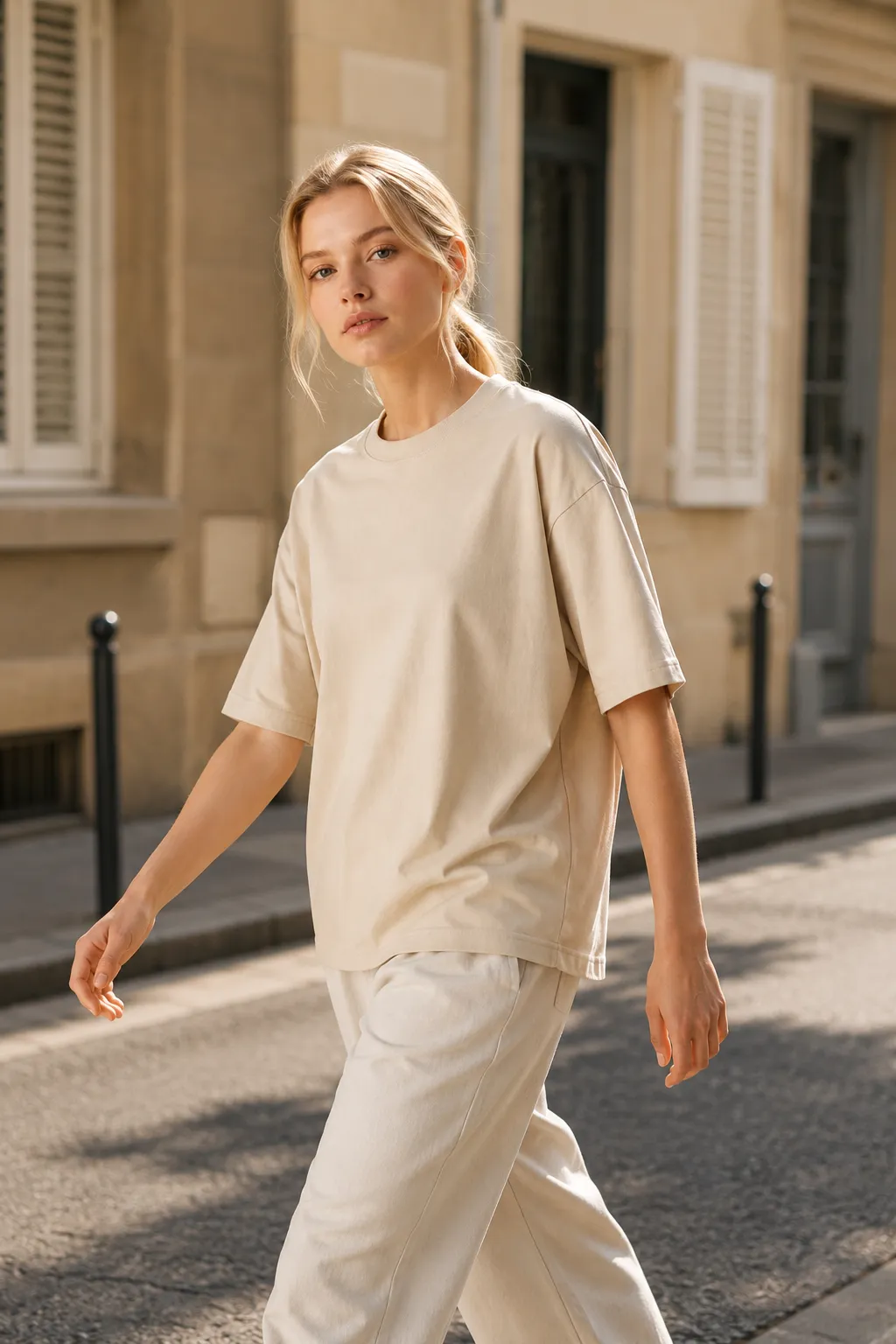
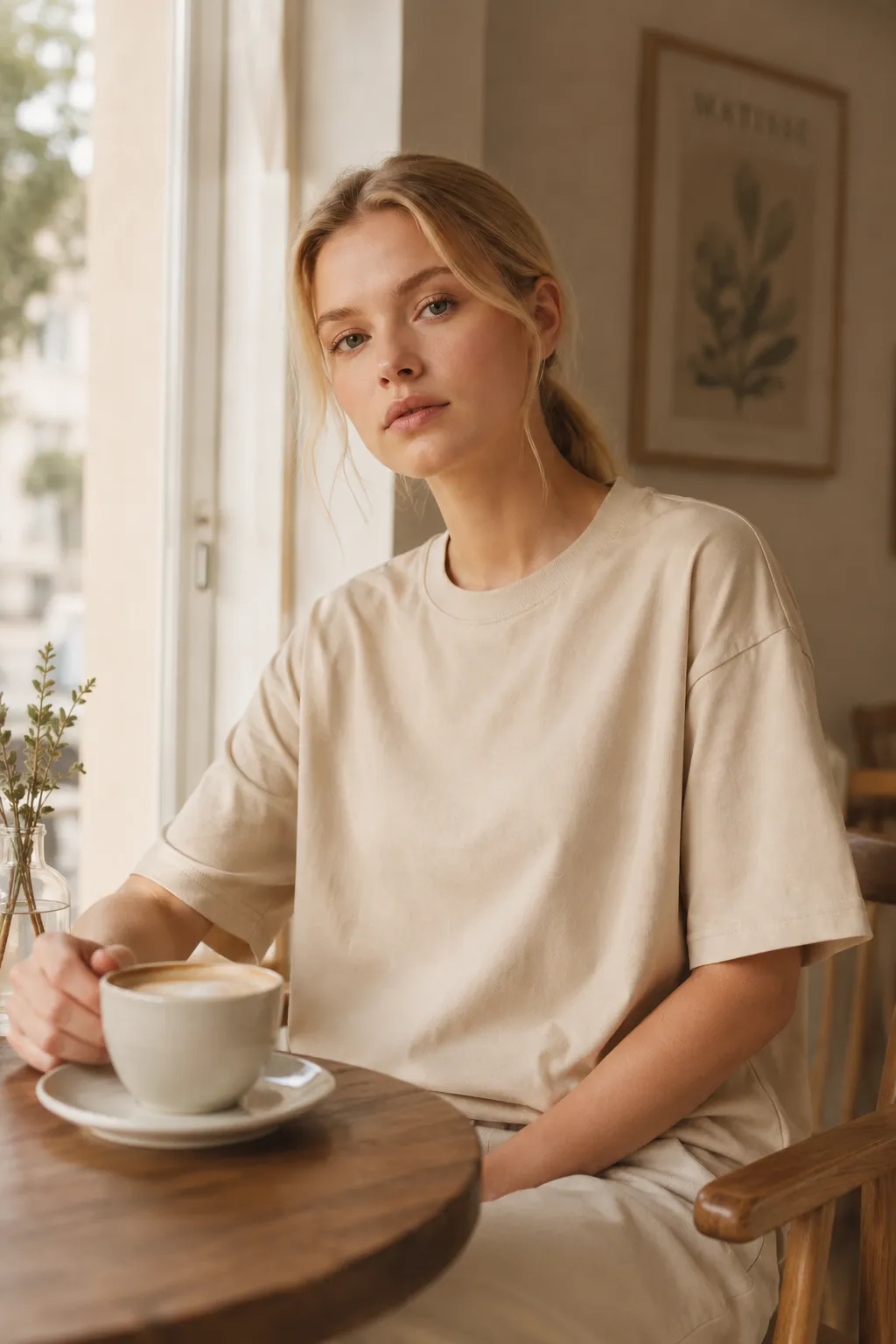
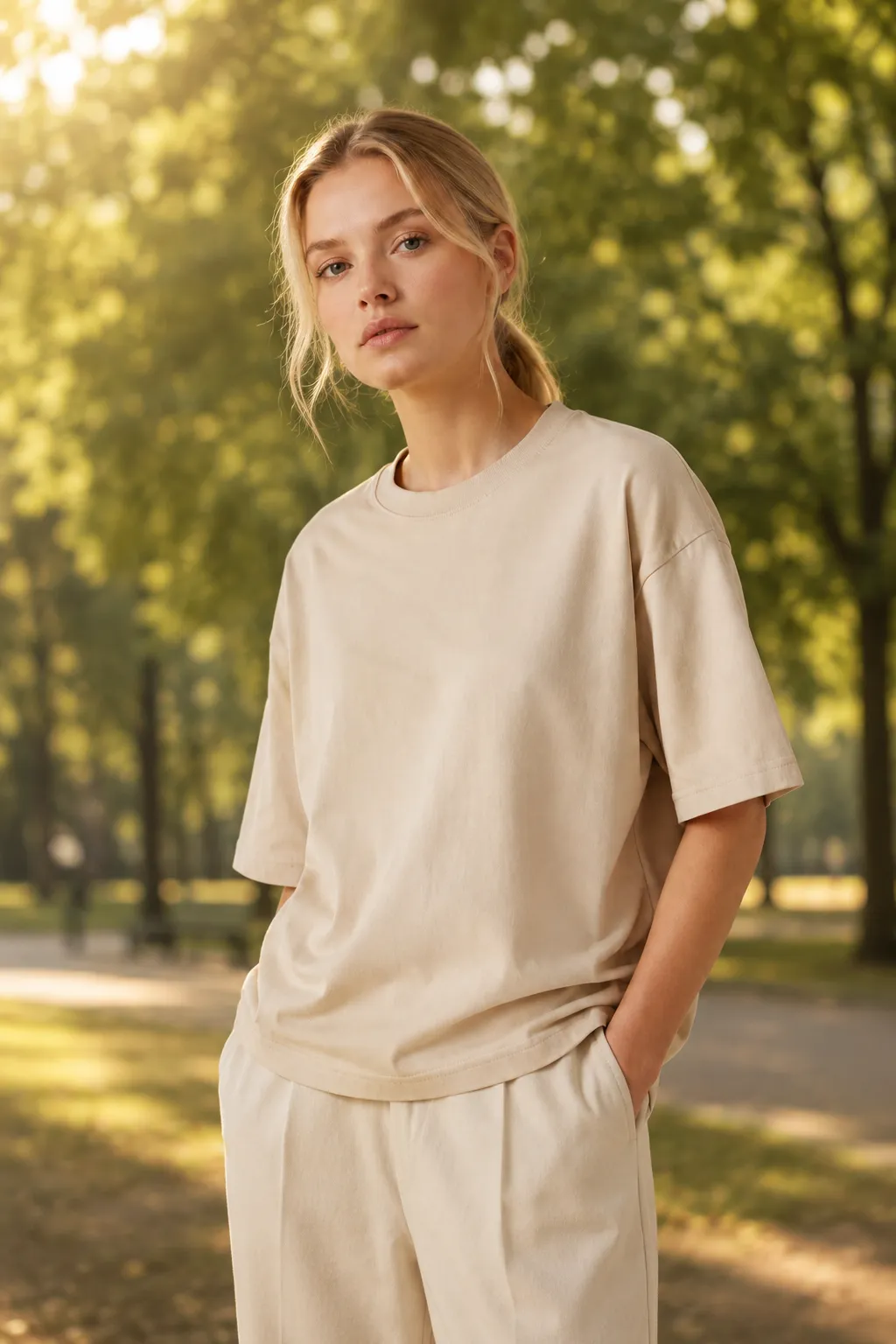
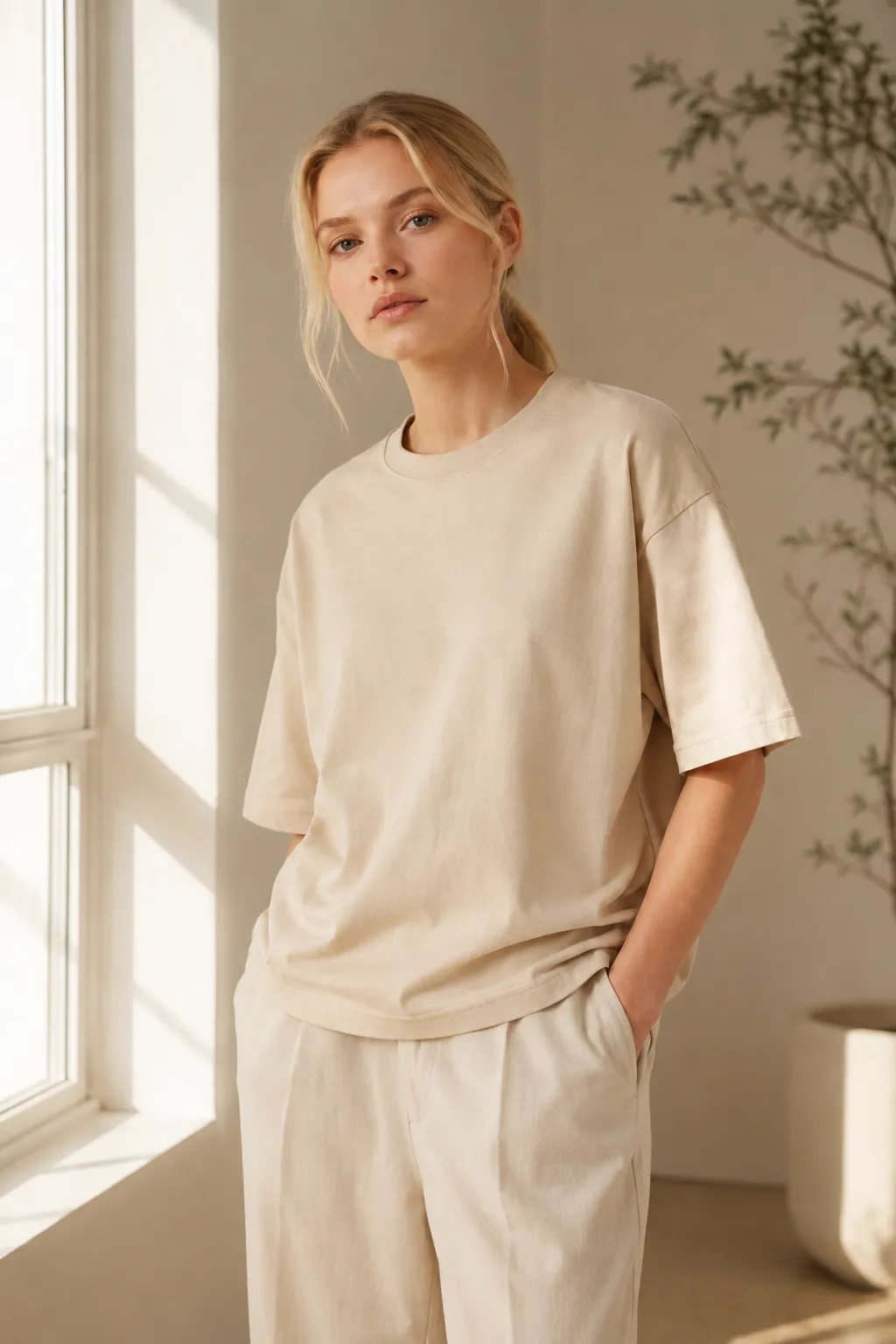
What did we pay attention to?
Disclosure is part of production, not a label added afterwards. Since August 1, 2026, following the amendment to the Regulation on Commercial Advertising and Unfair Commercial Practices published on July 1, 2026 (Official Gazette No. 33297), an ad that uses digital characters indistinguishable from people must say so clearly. We treated this not as a formality to remember once production is done, but as a constraint that shapes the decision about which image is used where. For the rule itself: AI and advertising transparency.
The product itself isn’t left to AI. The scene, light and setting can be generated; the product’s form, texture and color can’t. The information the customer’s purchase decision rests on is how the product really looks, and that information has to come from a real image. Otherwise the difference shows up when the box is opened, and the product comes back.
No digital copy of a real person is used. Using a digital character created from an existing person’s image to suggest first-hand experience is a separate problem: the same amendment bans ads that give the impression that an AI-generated digital copy of a real person has personally experienced or recommended the product; in this case, the generated figures didn’t represent any specific real person.
Scale is no excuse for lower quality. What AI-assisted production gives you is speed and repeatability. The time saved wasn’t spent producing images with less scrutiny; it was spent checking that every scene complies with the brand’s rules.
Frequently Asked Questions
Can a distributor produce images of the brands it represents on its own?
This is a question of permission, not production, and the answer lies in the distribution agreement. Some brands require that only visual assets they produced themselves be used; others allow local production within set rules. That permission has to be settled in writing before production starts.
How does the visual language stay consistent across brands?
Consistency is built per channel, not per brand. Each brand keeps its own aesthetic; what is shared is the technical framework: frame ratios, the product’s scale in the scene, light direction and background depth. So when the brands sit side by side on the same marketplace storefront, they look like the work of one hand rather than a scattered set.
If the product image is weak, can a lifestyle scene fix it?
No. A lifestyle scene takes the existing product image as its input; a detail that isn’t in the input won’t be in the output. A scene generated from a low-resolution or wrong-color product image puts the product in a nice setting but still shows it wrongly. A weak product image is fixed first, then carried into the scene.
How many different scenes per product make sense?
The channel sets the number of scenes, not the product. Because each channel has its own frame ratio and reading distance, a few scenes per product are usually enough. Showing the same product in ten different settings doesn’t create catalog depth; once it is clear which message goes on which channel, the number of scenes needed follows.
Let’s make the brands in your portfolio visible in one workflow.
A channel-by-channel lifestyle set from your existing product images. AI model and lifestyle production · Get a Quote
On method: AI Mannequins and Fashion E-commerce · Why AI Alone Isn’t Enough
Created with the support of AI technologies. The images do not show a specific client’s work. The case study describes the production workflow we run on multi-brand portfolios.