Video & Social Content for a Footwear Brand

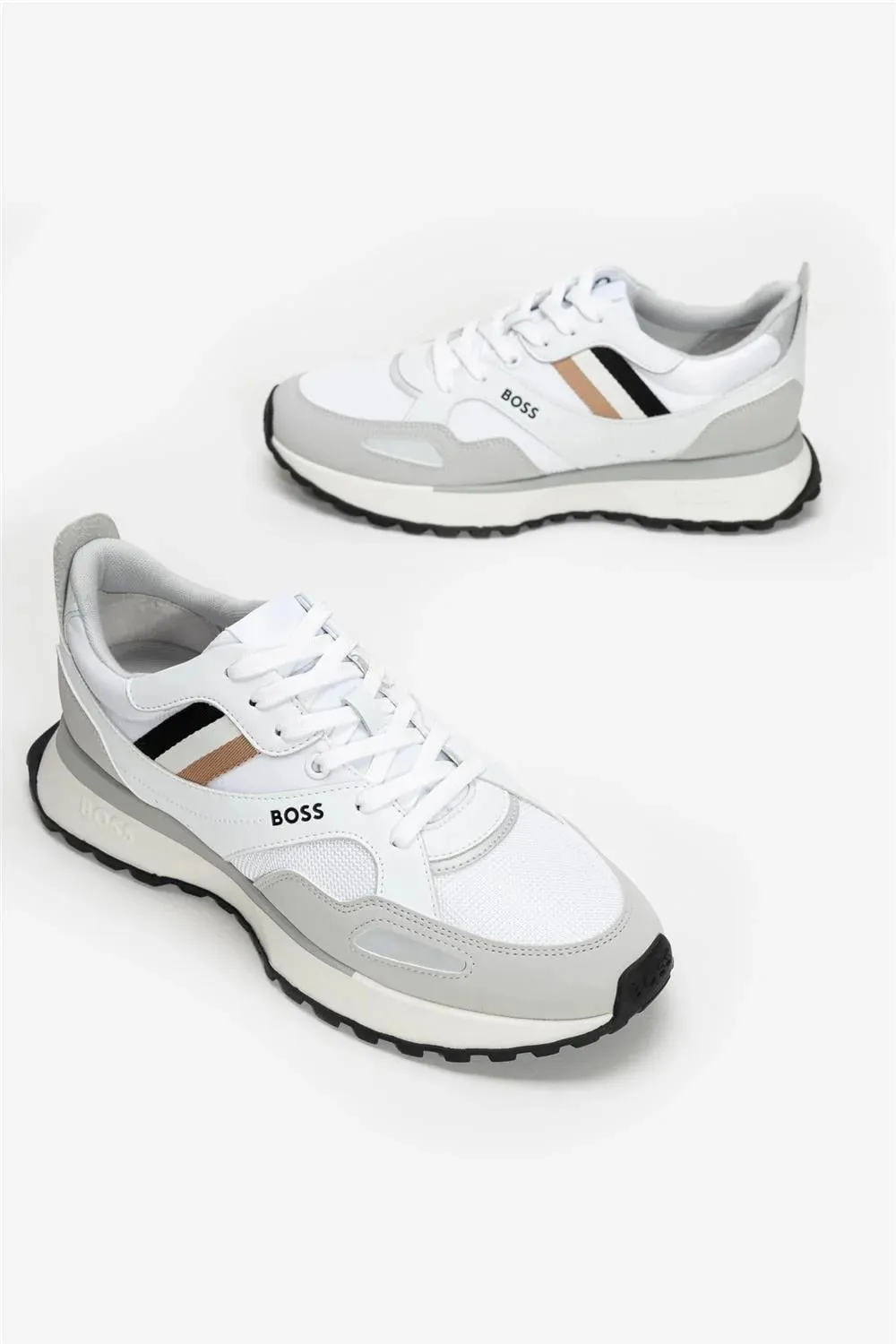
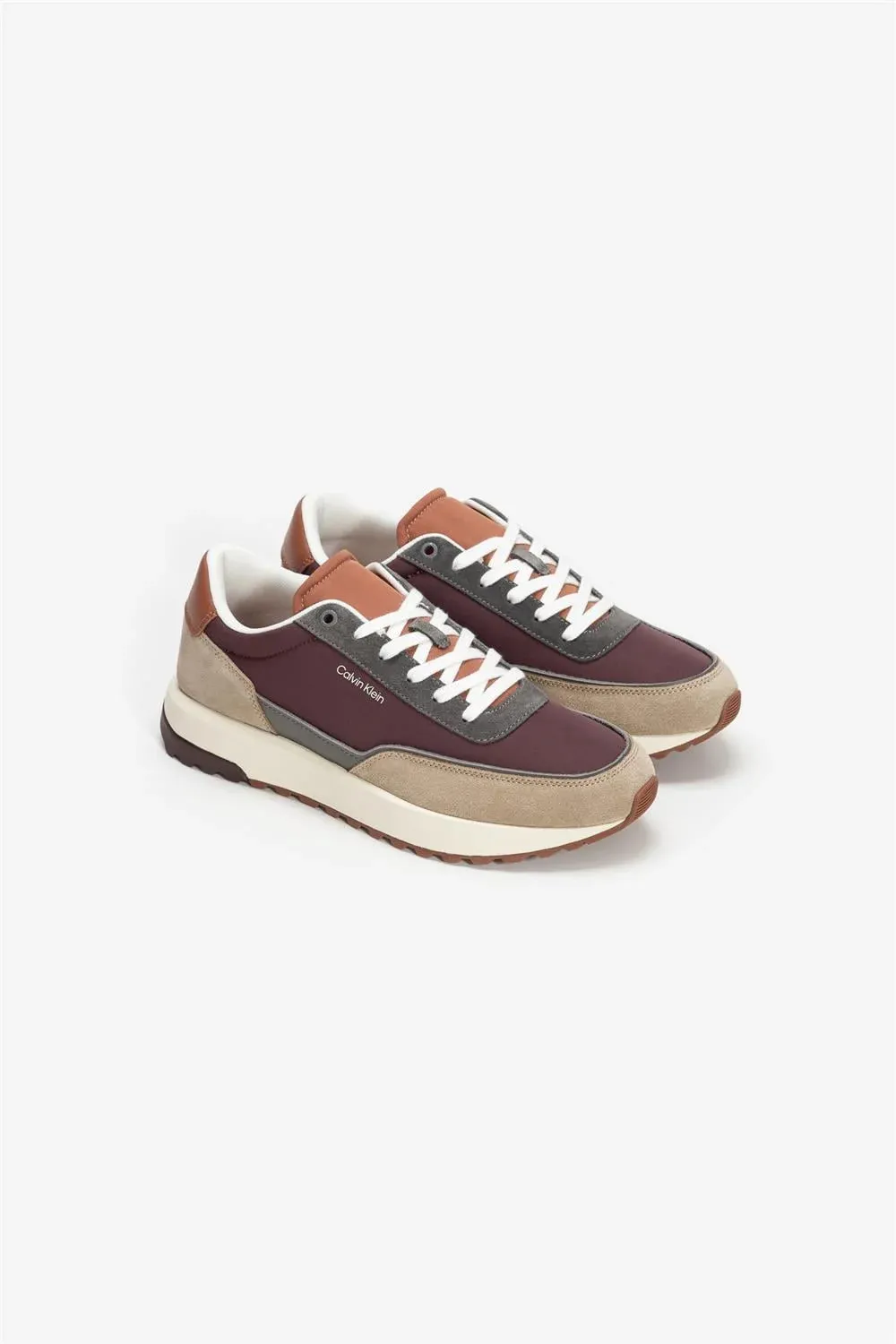
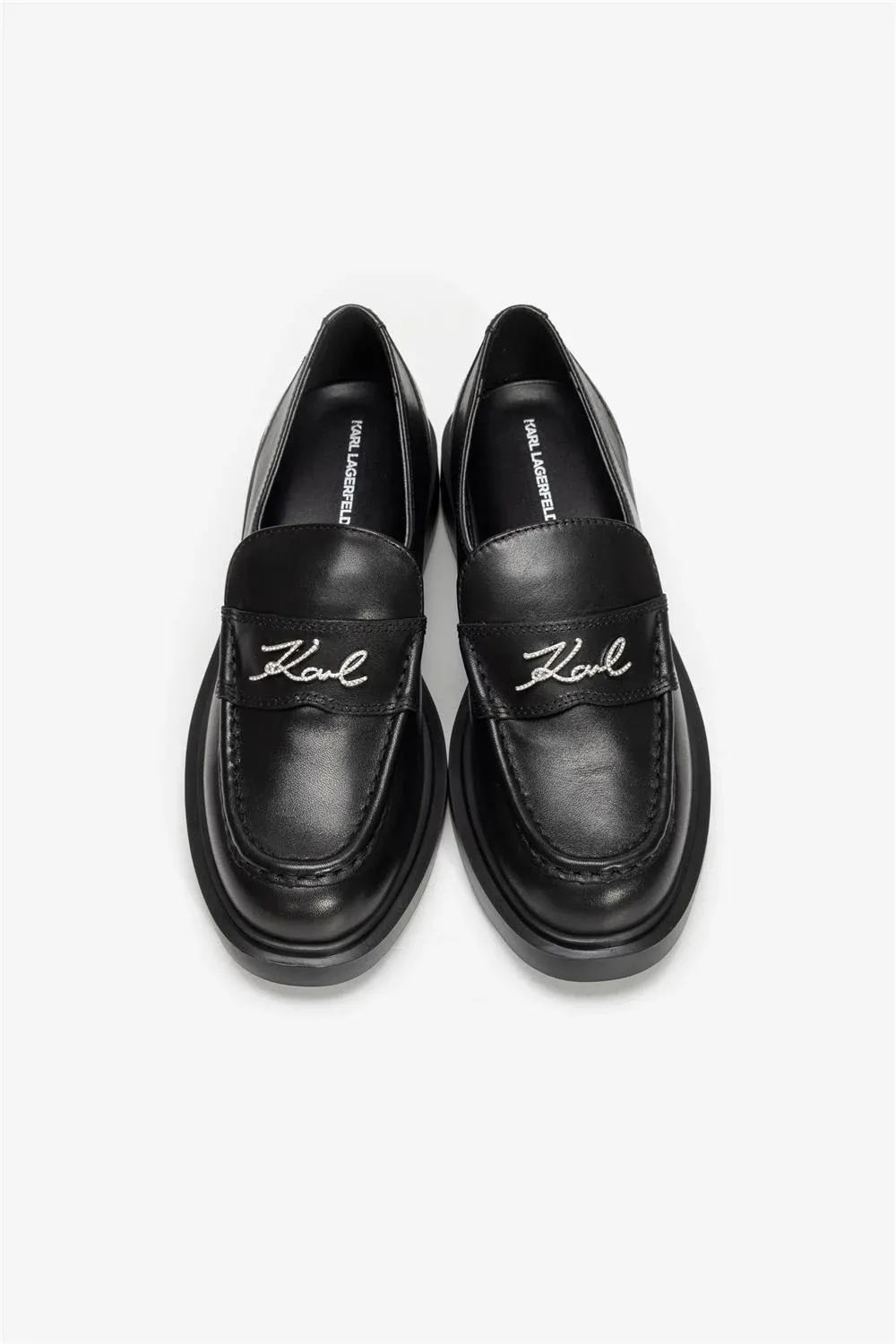
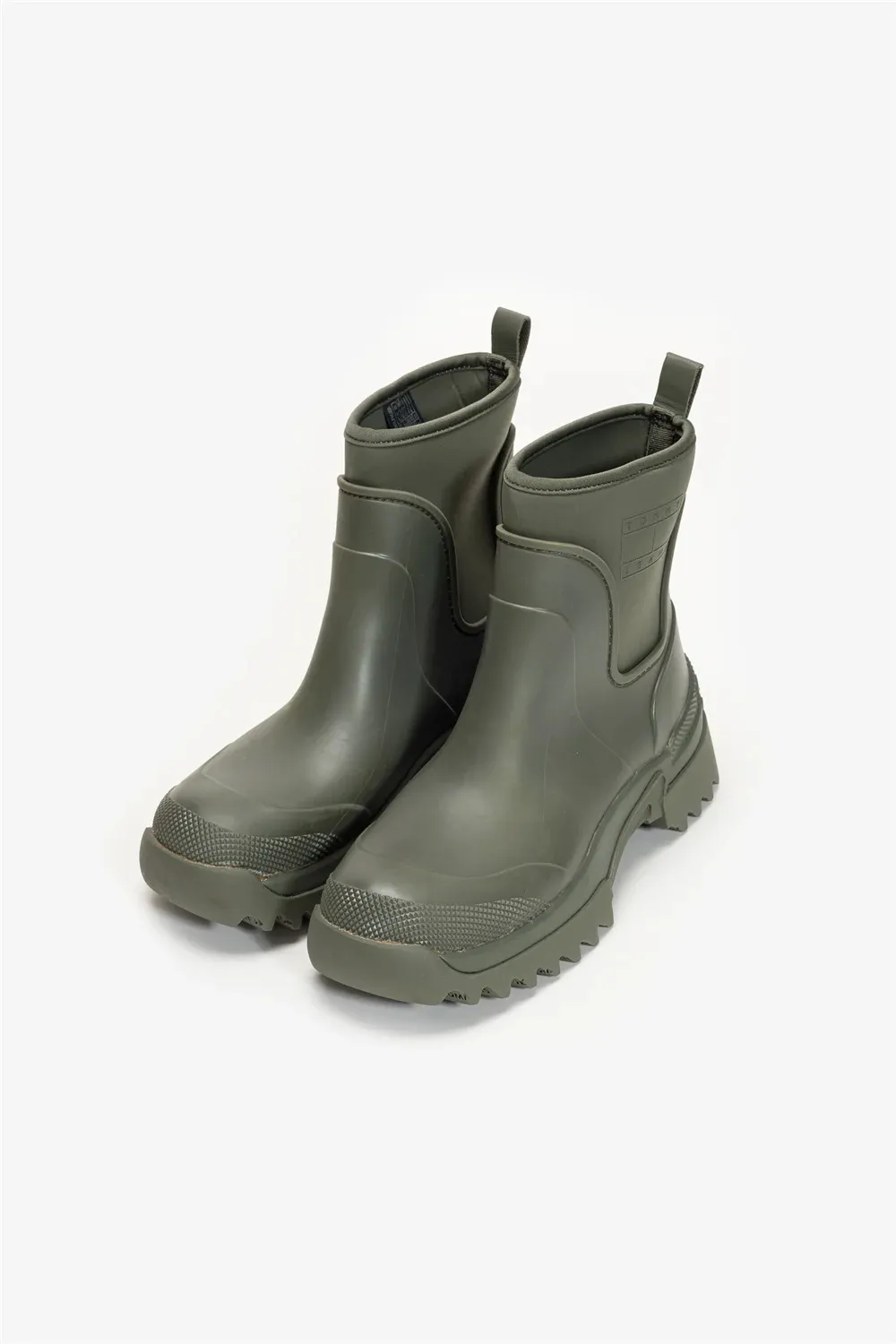
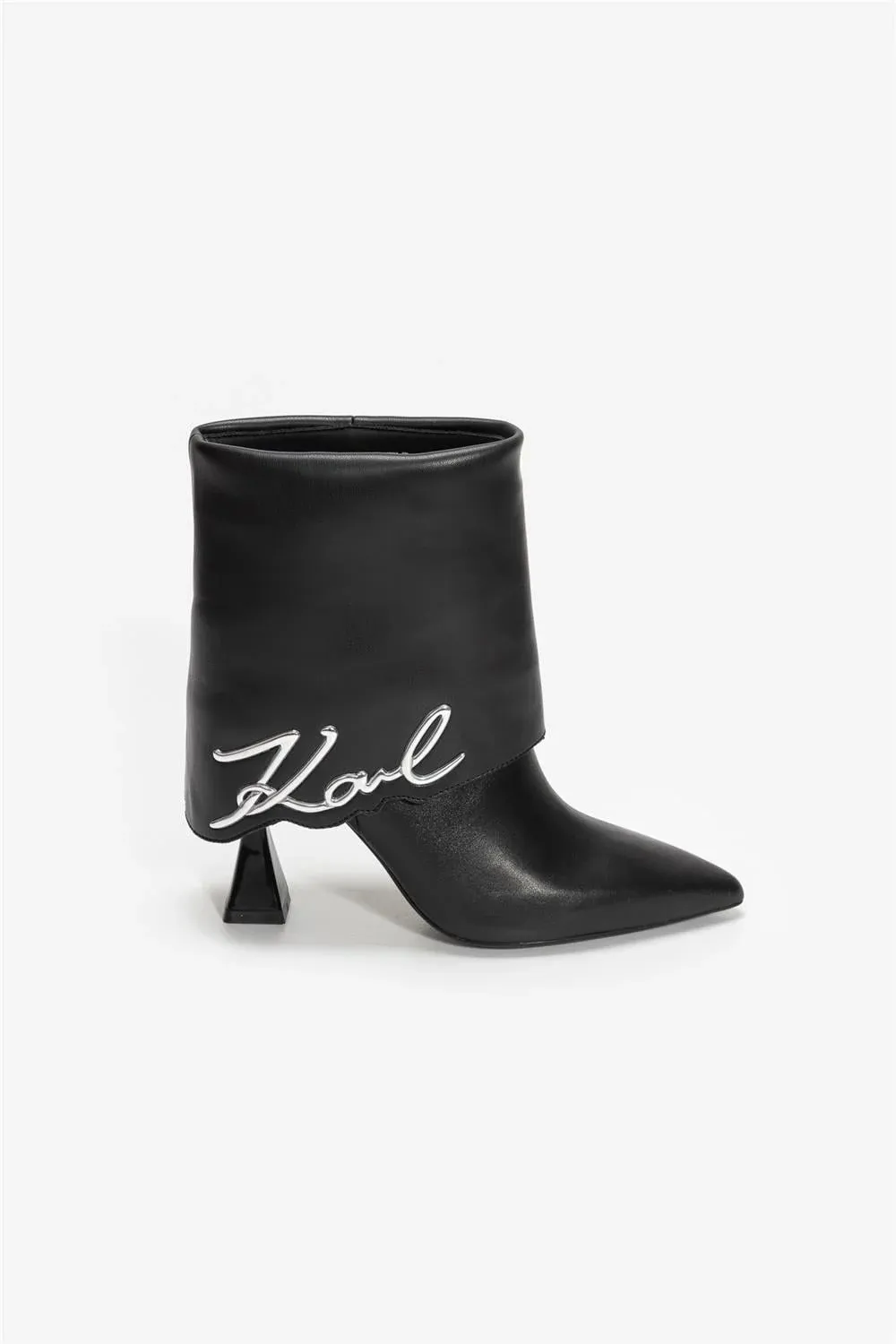
In video production for a footwear line, the key decision isn’t how many videos to shoot; it’s how many channels one shoot can feed. In this case we produced short videos highlighting the product’s texture and detail, then cut a marketplace product video and vertical versions for social media separately from the same shoot.
A still product photo answers one question: what the product looks like. For footwear, the customer’s questions don’t end there. How does the sole flex, is it leather or suede, how does it look from behind, how does it look on the foot?
Motion answers all of these. When you try to answer them with photos, you end up with a lot of frames and the customer still can’t be sure.
What was the problem?
The brand was publishing its products with static images only. The images were technically fine, but the product didn’t stand out on social media; it got scrolled past in the feed.
The drawback of a static image on social media isn’t quality, it’s rhythm. A fixed frame sitting among moving content gives the viewer no reason to stop.
How did we work?
1. Channel list first, then the shoot plan. We decided which channels to feed before the shoot: marketplace product video, vertical content for social media and campaign promotion. Because each channel has a different frame ratio and length expectation, this list directly determined the shoot setup.
2. The frame was built for multiple ratios. The product was positioned to stay within the safe area in both vertical and horizontal frames. Cropping afterwards was deliberately avoided: cropping a horizontally shot frame to vertical either cuts the product or breaks the composition.
3. Motion was chosen by the question. Each shot’s movement corresponded to a question — a flex for sole flexibility, a close-up pan for material, a turn for silhouette. Motion wasn’t added for its own sake; pointless camera movement lengthens a video without adding information.
4. The edit diverged by channel. From the same footage, the marketplace version was cut for someone searching for the product: straight into the product, questions answered in order. The social version was cut for someone who isn’t searching: an opening that grabs attention in the first second.

What did we pay attention to?
Silent viewing was assumed. In our observation, a large share of social media videos are watched without turning the sound on, and marketplace players mostly start muted too. So the story was built on the picture; the necessary information was given as on-screen text. Sound and music were treated as a layer that supports information, not one that carries it.
Music licensing was settled up front. Music use on business accounts is subject to different rules than on personal accounts; not every track you see in an app’s music library is free for commercial use. So the music choice was decided at the start of the edit, not at the end. The basis for this, with sources: music licensing on a business account.
The first frame was chosen as the cover frame. A video’s first frame is used as the preview image in most places. Left to a random frame, the product can come out blurry or out of frame; that’s why the opening frame was selected separately.
Video did not replace photography. On a product page, a video’s job isn’t to replace photos but to answer the question photos can’t. The static image set stayed complete; the video was added on top of it.
Frequently Asked Questions
Can one shoot produce both vertical and horizontal video?
Yes, but not by cropping the frame afterwards. The setup is built during the shoot so the product stays inside the safe area in both vertical and horizontal frames. A horizontal frame cropped later either pushes the product out of a vertical frame or breaks the composition, so the decision is made before the shoot.
Can the marketplace video and the social media video be the same?
They come from the same shoot but aren’t the same edit. A marketplace video is for someone searching for the product: it goes straight to the product and answers questions in order. A social video is for someone who isn’t: it must grab attention in the first second. One file used in both places gets average results in both.
How many seconds should a product video be?
What you need to show sets the length, not a target number. If the product has few questions to answer, the video is short. The general rule is to keep it short enough that people watch to the end but long enough to show the detail they are curious about — adding unnecessary seconds lowers the watch rate.
Can the story be told without sound in the video?
It has to be. In our observation, a large share of social media videos are watched on mute, and marketplace players mostly start muted too. So the story is carried by the picture; sound and music are a supporting layer, not the carrier of information. Any necessary information appears as on-screen text.
Let’s tell your product’s story in motion.
A marketplace video, vertical social content and a campaign set from a single shoot. Video and social media content · Get a Quote
Why video: Static Photos Aren’t Enough: Product Video · Reels and Shorts production
Created with the support of AI technologies. The frames in this article come from our real shoot archive. This case study describes the workflow we follow in product video production; no client name is given in the text. More: work.